
The Invisible Cost of Wireless Instability (EMC & IT Load)
January 5, 2026
Focus: Electromagnetic Compatibility (EMC)
as a hidden operational cost and a key driver of IT workload.
The true cost of a $50 wireless scanner is never shown on the invoice.
It’s the hourly wage of the IT team member who must intervene every time it crashes.
In high-volume environments like FedEx or Amazon warehouses, device disconnections force workers to re-pair systems manually, disrupting workflow. Worse, system crashes require direct IT intervention, dramatically increasing the burden on device management and maintenance staff. Stability is the ultimate cost-saver.
Achieving basic wireless connectivity is cheap. Achieving reliable industrial-grade stability is a different, highly valuable challenge. Our designers found three primary causes of frequent Bluetooth disconnections in industrial settings:
- Signal Overload: Too many Wi-Fi Access Points (APs) and Bluetooth devices flood the area, making it impossible to find a clean communication channel.
- Motor Interference: Large electric motors generate electromagnetic noise that directly disrupts wireless signals.
- Space Interference: Even rare events like solar flares can introduce instability into highly sensitive systems.
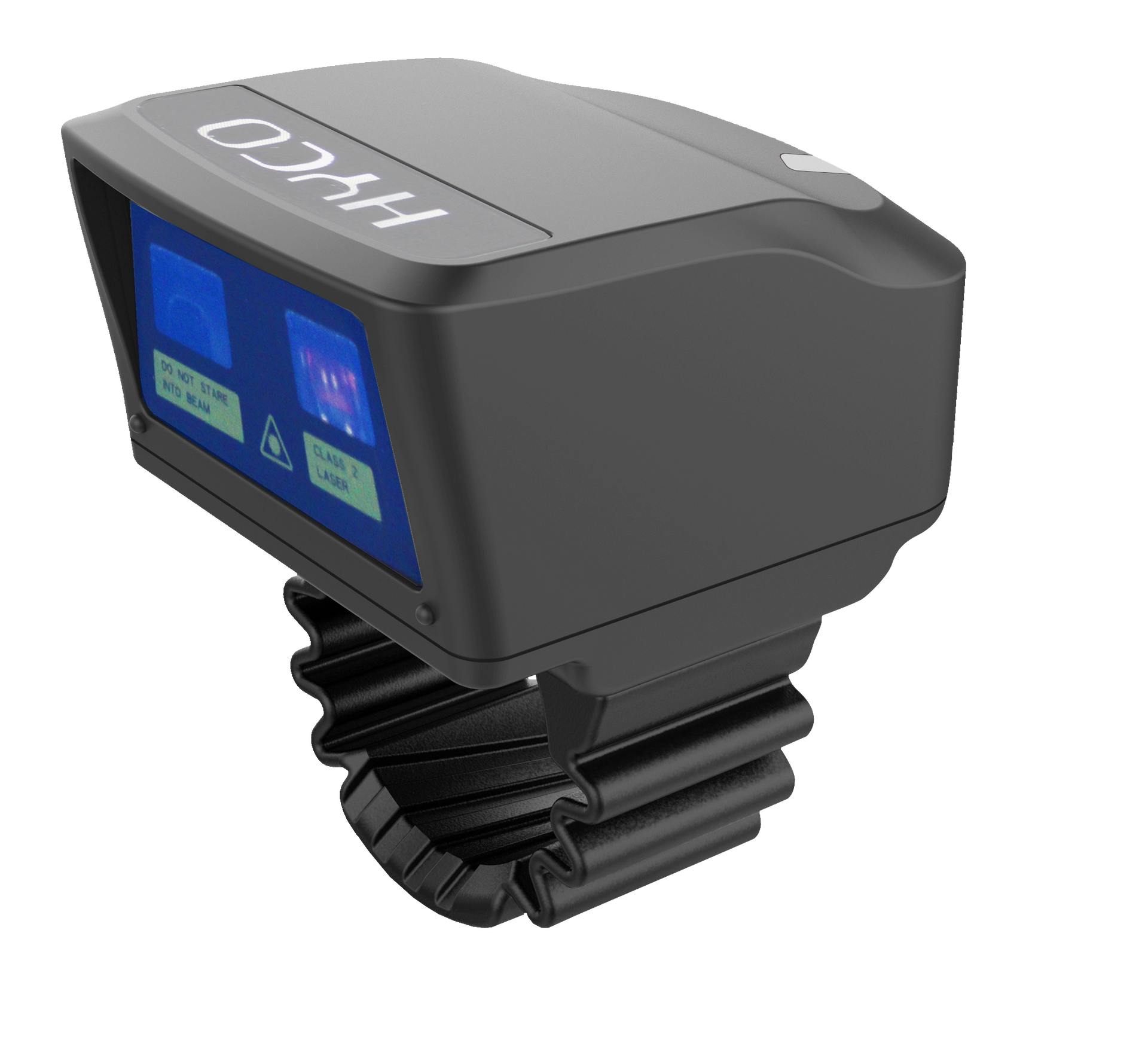
This is why HYCO goes crazy for extreme EMC.
We don't just test our ring scanners in various scenarios; we proactively generate potential interference sources—from motor noise to signal jamming—to intentionally stress-test our EMC design.
If your wireless devices can't handle the harsh electromagnetic chaos of a modern warehouse, you’re paying the price in lost time and inflated IT budgets. Do you budget for wireless stability, or do you simply pay the IT overtime bill?
I'm keen to hear which scenario costs you more.

Every year around this time, warehouses get the same squeeze: more orders, tighter deadlines, and no room for mistakes. Most of the advice is about hiring more people or upgrading your systems. Those things help, but there’s a cheaper place to look first, and it’s the small stuff your pickers do hundreds of times a shift. Picture a picker’s routine. Grab the scanner, scan the barcode, set the scanner down, handle the item. Repeat. Each round takes a couple of seconds, so nobody notices. Over a full shift, though, it adds up.

Discover how Lotwork customized ring scanners for Direct Relief, adapting barcode formats and glove-friendly bands to fit their workflow.

Discover how Lotwork demonstrated 2P1S workflows, wearable barcode scanning, and Wireless Light Tags at LMD Toronto 2026 to improve warehouse efficiency and workflow flexibility.