
The Silent Waste: Hidden Energy Drains in Your Warehouse
Gent +Ivziku • November 19, 2025
| Traditional Handheld Scanner | Lotwork W26 Hyco Ring Scanner | |
|---|---|---|
| Avg Power Consumption (W) | 5.0 | 1.5 |
| Charges per Shift | 2.0 | 0.5 |
| Device Lifespan (Years) | 2.0 | 4.0 |
| Annual Energy Cost (USD) | 240 | 72 |
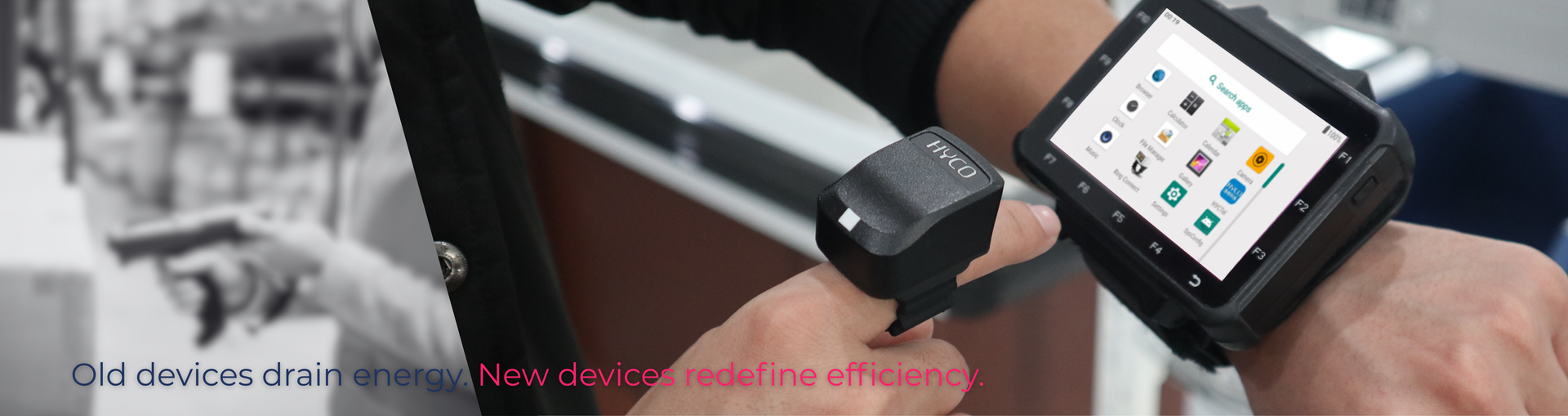
Figure 2. Low-power design of the W26 Hyco Ring Scanner significantly reduces energy use and charging frequency
This is where low-power innovation is making a real difference. Lotwork’s W26 Hyco Ring Scanner was built from the ground up for ultra-low energy consumption. Using advanced power management and optimized communication protocols, it operates up to three times longer per charge compared to traditional handheld scanners. That means fewer charging docks, fewer interruptions, and a smaller energy footprint overall.
Beyond power savings, low-consumption wearables like the W26 aren’t just about efficiency, they’re about sustainability. Lower energy use directly translates to reduced emissions from electricity generation, aligning warehouse operations with broader environmental goals. And by extending battery health and device longevity, these scanners help reduce the churn of electronic waste that burdens both budgets and the planet.
Energy efficiency is no longer just a facilities concern, it’s an operational advantage. The next wave of sustainability in warehousing won’t come only from large infrastructure changes, but from smarter, smaller devices that work harder while consuming less. The W26 Hyco Ring Scanner proves that every watt counts when it comes to building a more sustainable, cost-efficient, and forward-thinking operation.
About the Author

Gent Ivziku
Client Success Manager, Lotwork
Gent is a Client Success Manager at Lotwork, helping teams find smarter, faster ways to get work done using wearable tech and hands-free scanning. He’s passionate about simplifying warehouse and logistics workflows and enjoys working closely with customers to find the right fit for their needs. Outside of work, he’s a big fan of soccer and loves diving into great movies and TV shows whenever he gets the chance.