
Understanding the Differences: ESL vs. Wireless Light Tag in Pick-to-Light Systems
December 12, 2024
The Hyco Wireless Light Tag features interactive buttons, a lighting area larger than 5.5cm2, and a buzzer, ensuring clear guidance in noisy environments with multiple light sources. ESL systems are designed to replace paper labels in retail settings with less frequent interactions.
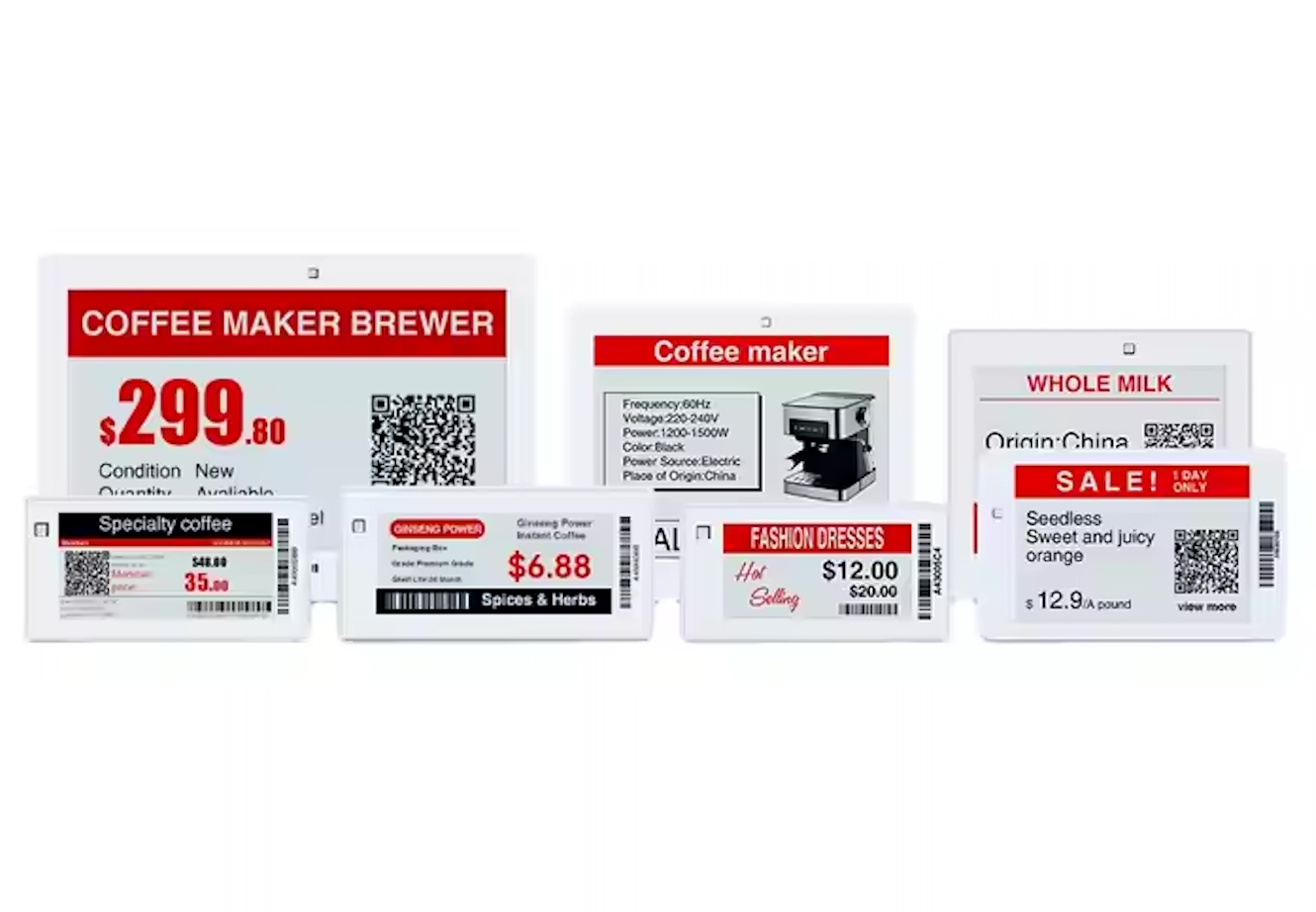
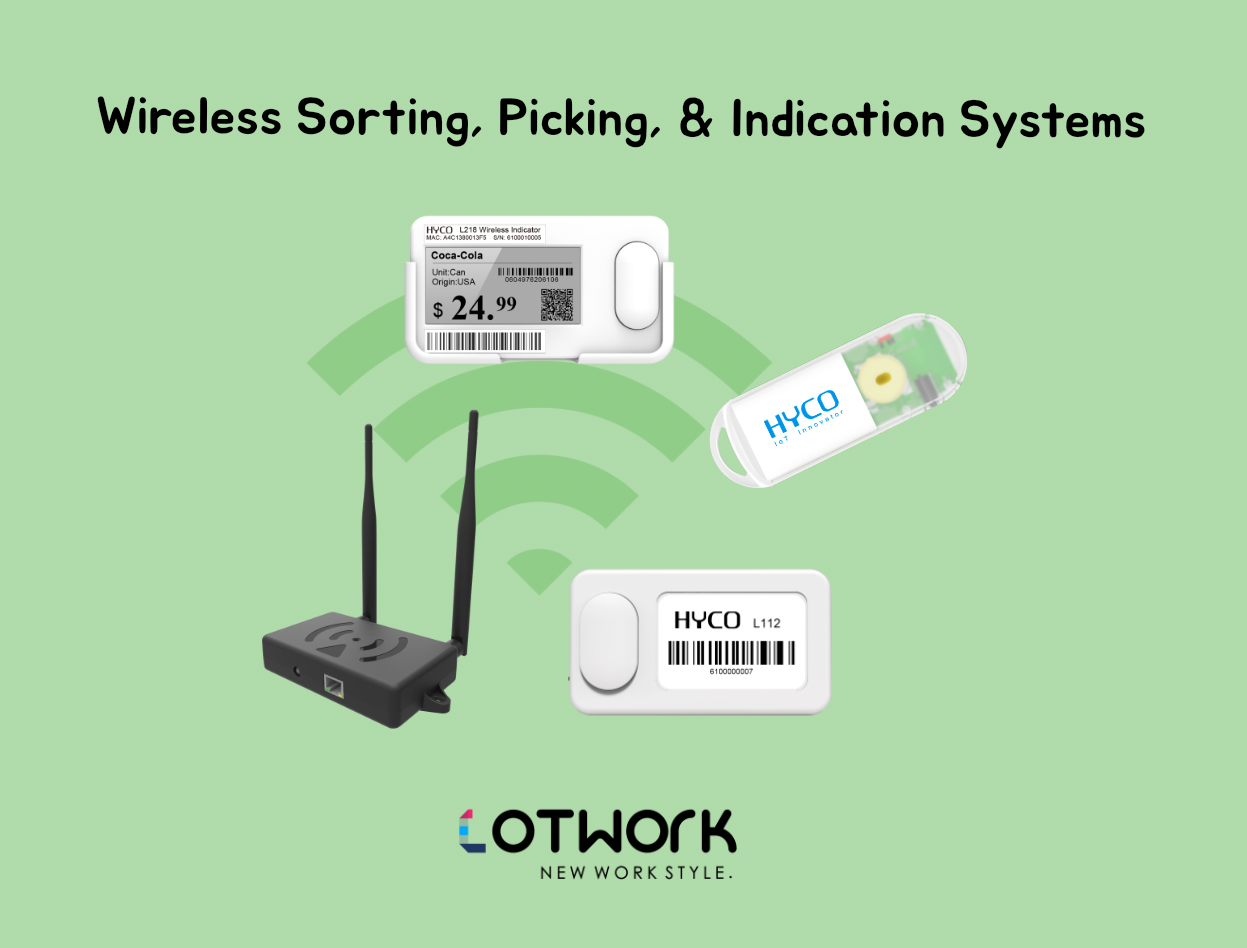
Hyco Wireless Light Tags: Purpose-Built for Warehousing
Designed for picking and sorting in demanding industrial and warehouse environments. Key features include:
1. Interactive Design:
With built-in buttons, workers can confirm actions directly at the point of operation, reducing errors and enhancing workflow.
2. Clear Visual Guidance:
An illuminated area larger than 5.5 cm^2 ensures visibility even in complex or multi-light source environments.
3. Buzzer for Noisy Settings:
Audible feedback with visual indicators, making operations smoother.
4. Chargeable Battery with Low Power Consumption:
Designed for frequent use in industrial settings. Chargeable batteries eliminate the recurring cost and hassle of replacing batteries. Their low power consumption ensures they remain operational for extended periods.
Battery Performance Comparison
• Wireless Light Tags:
The Wireless Light Tag L102 offers a working time of 30 months, while L218 offers 12 months under a typical warehouse usage scenario.
• ESLs:
Claim a lifespan of up to 60 months, typically based on a much lighter usage scenario, such as refreshing the e-ink display only 3 times per day. This low-frequency usage makes them unsuitable for dynamic, high-usage environments like warehouses.
If tested under the same usage scenario, the battery life of ESLs and Wireless Light Tags may yield similar results. However, this is where the advantage of chargeable batteries in Wireless Light Tags becomes clear—eliminating the costly and labour-intensive process of replacing thousands of disposable batteries annually, making them a far more efficient and sustainable choice for industrial applications.
Why Chargeable Batteries Matter in Wireless Pick to Light System
Wireless Light Tags are equipped with chargeable batteries, addressing a major pain point in warehouse operations:
1. Cost Savings:
With chargeable batteries, there’s no need to purchase thousands of disposable cell batteries annually. This significantly reduces long-term operational costs.
2. Maintenance Efficiency:
Replacing disposable batteries for a large-scale system is time-consuming and labour-intensive. chargeable batteries eliminate this need, streamlining maintenance processes.
3. Environmental Benefits:
chargeable batteries generate far less waste compared to the frequent disposal of single-use batteries, making them a more sustainable choice.
Consider the operational challenge of relying on ESLs in a warehouse environment:
• Stock thousands of cell batteries, not just as replacements but also to ensure backup availability.
• Dedicated staff to manage and replace these batteries, potentially every year.
• The cumulative cost would outweigh any initial savings from using ESLs.
Conclusion
While ESLs are suitable for retail settings, Wireless Light Tags are purpose-engineered for industrial/warehouse operations with a chargeable battery, interactive features, visibility, and audible alerts,

Discover how Lotwork demonstrated 2P1S workflows, wearable barcode scanning, and Wireless Light Tags at LMD Toronto 2026 to improve warehouse efficiency and workflow flexibility.

Discover how 2P1S (Pick-Place-Scan) and hands-free wearable solutions are transforming warehouse workflows. Visit Booth 21 at LMD 2026 to see it in action.

Explore Lotwork’s MODEX recap showcasing wearable technology, pick-to-light solutions, and hands-free workflows designed to improve warehouse efficiency and accuracy.